https://vimeo.com/manage/videos/1239939557
Those who remember it still call it “new.” But as the original Neue Elbbrücke ceased to exist in its original form it never became old. Not here, not in the realm of ideas. So we can bring it back to propose, direct, open, and break. It remained in that intermediate state. Only the towers and portals were destroyed, which is a lot. But the rest of the bridge is indeed “Neue” and even has an extra lane, which, I understand, was the reason why they demolished all the ornamental parts. To expand and to progress.
Economy conquers everything… but we still can do more in response. At the same time that we return to old examples, we confront them with the current situation when using the image of the Neue Elbbrücke and give it a new meaning, uses and forms. It is still an available idea that deserves to be, especially if we consider the forums online about the constant discussion about the destruction of the bridge.
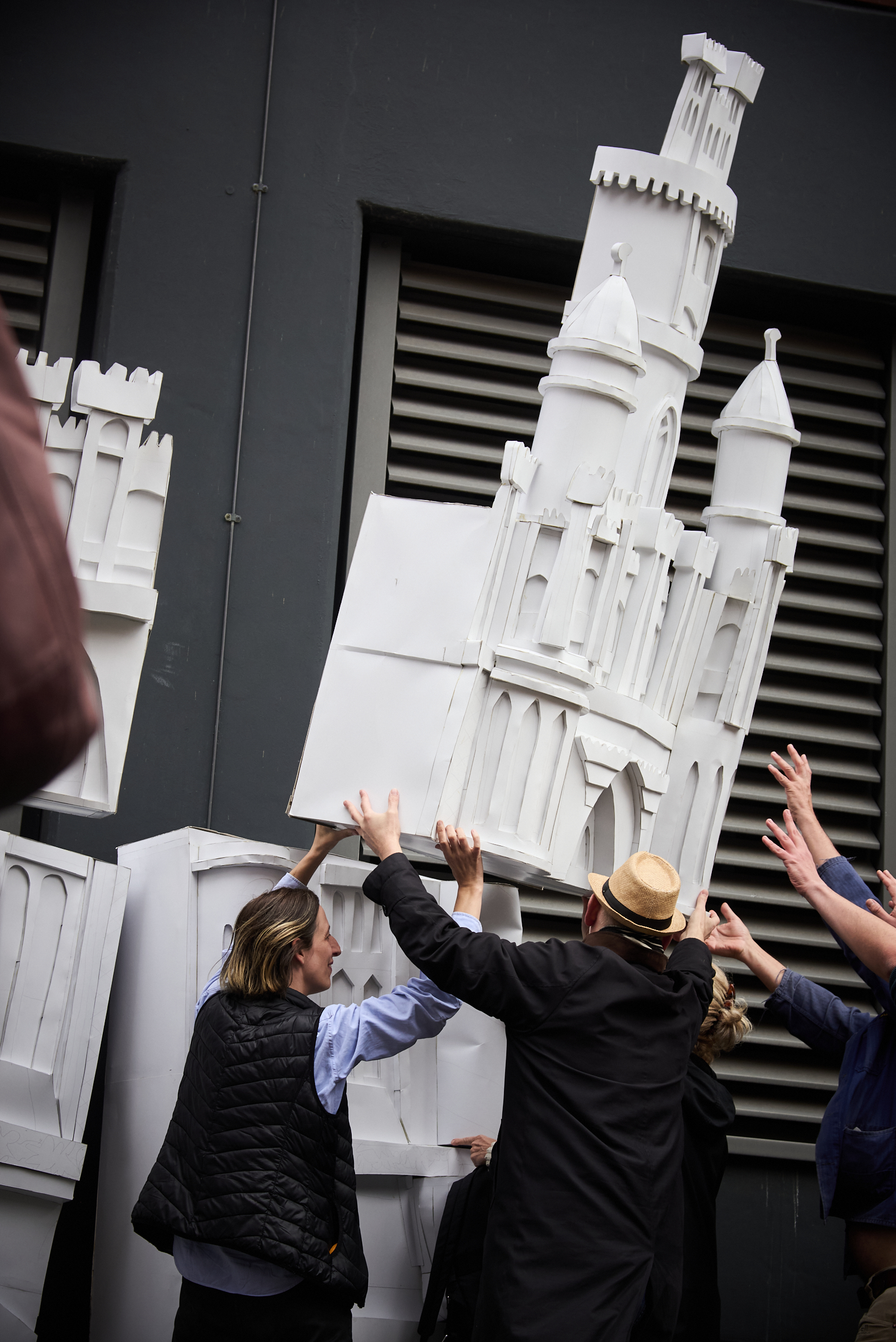
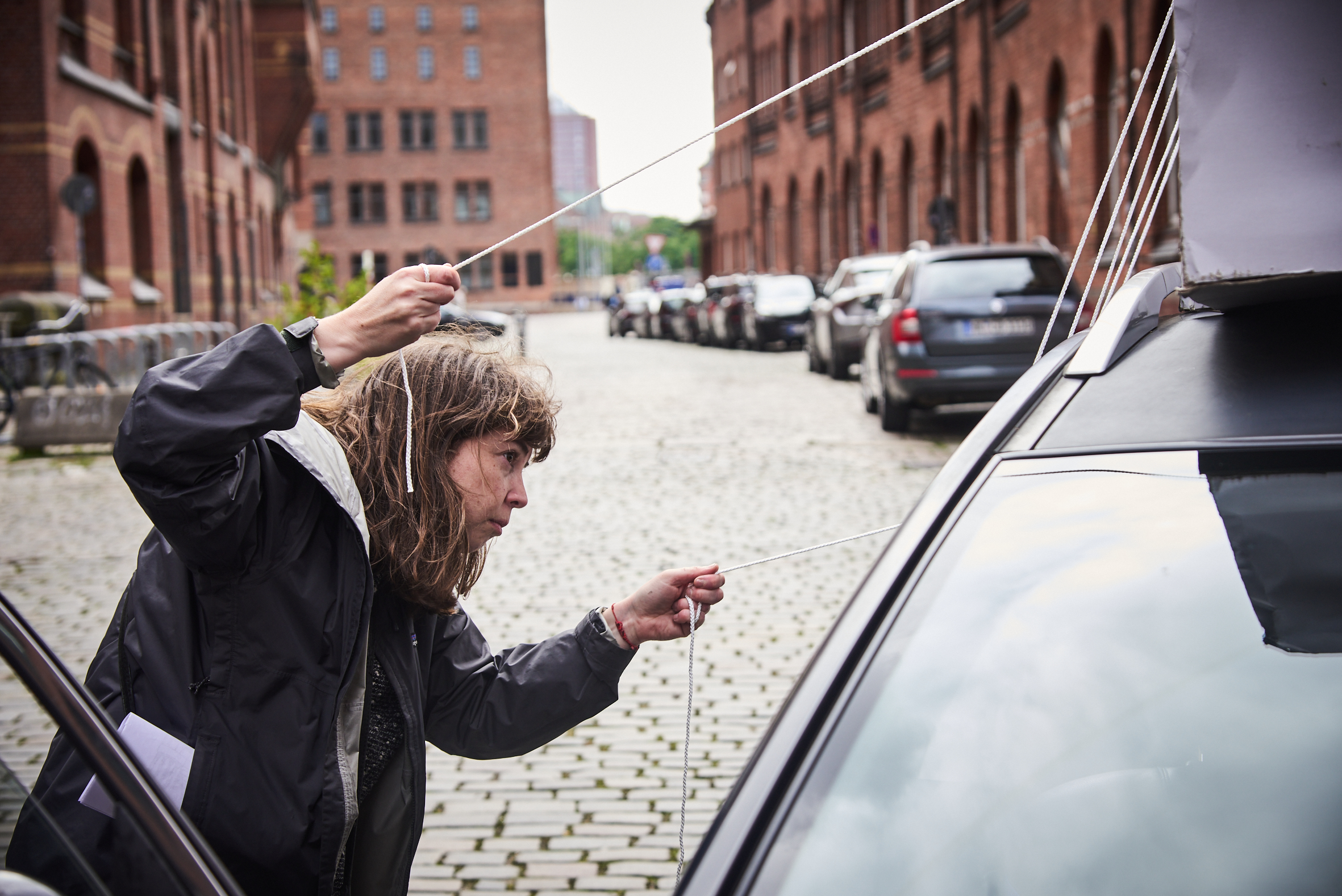
Neuealteneue Brücke is the name of the work and the main idea was to reproduce the entirety of the old bridge’s portals and towers using strong yet lightweight materials and divide them into eight parts, representing the bridge’s current eight lanes. These pieces were mounted on eight different cars, which went in different lanes of the bridge, as a way of connecting what it was with what it could have been; interdimensional crossings of spacetime. A route was be established with the pieces, to find a place (previously planned) for people to come to find them and propuse together a way to give them space and time in our current context.
The entire process was documented in a short non fiction film (23:06 min) that will serve as a complete record of the “construction” experience.
Quienes lo recuerdan todavía lo llaman «nuevo». Pero como el Neue Elbbrücke original dejó de existir en su forma original, nunca llegó a hacerse viejo. No aquí, no en el mundo de las ideas. Así que podemos traerlo de vuelta para proponer, dirigir, abrir y romper. Permaneció en ese estado intermedio. Solo las torres y los portales fueron destruidos, lo cual es mucho. Pero el resto del puente sigue siendo, efectivamente, «Neue», e incluso tiene un carril adicional, lo que, según entiendo, fue la razón por la que demolieron todos los elementos ornamentales. Para ampliar y progresar. La economía lo conquista todo… pero todavía podemos hacer más en respuesta.
Al mismo tiempo que volvemos a ejemplos del pasado, los confrontamos con la situación actual al utilizar la imagen del Neue Elbbrücke y darle un nuevo significado, usos y formas. Sigue siendo una idea disponible que merece existir, especialmente si consideramos los foros en internet donde se discute constantemente sobre la destrucción del puente.
Neuaelteneue Brücke (Puente Viejonuevoviejo) es el nombre de la obra, y la idea principal era reproducir la totalidad de los portales y las torres del antiguo puente utilizando materiales resistentes pero ligeros, y dividirlos en ocho partes, que representan los ocho carriles actuales del puente. Estas piezas fueron montadas sobre ocho coches diferentes, que circularon por distintos carriles del puente, como una forma de conectar lo que fue con lo que podría haber sido; cruces interdimensionales del espacio-tiempo. Se establecería un recorrido con las piezas para encontrar un lugar (previamente planificado) al que las personas pudieran acudir para encontrarlas y proponer juntas una manera de darles espacio y tiempo en nuestro contexto actual.
Todo el proceso fue documentado en un cortometraje de no ficción (23:06 min) que servirá como registro completo de la experiencia de «construcción».
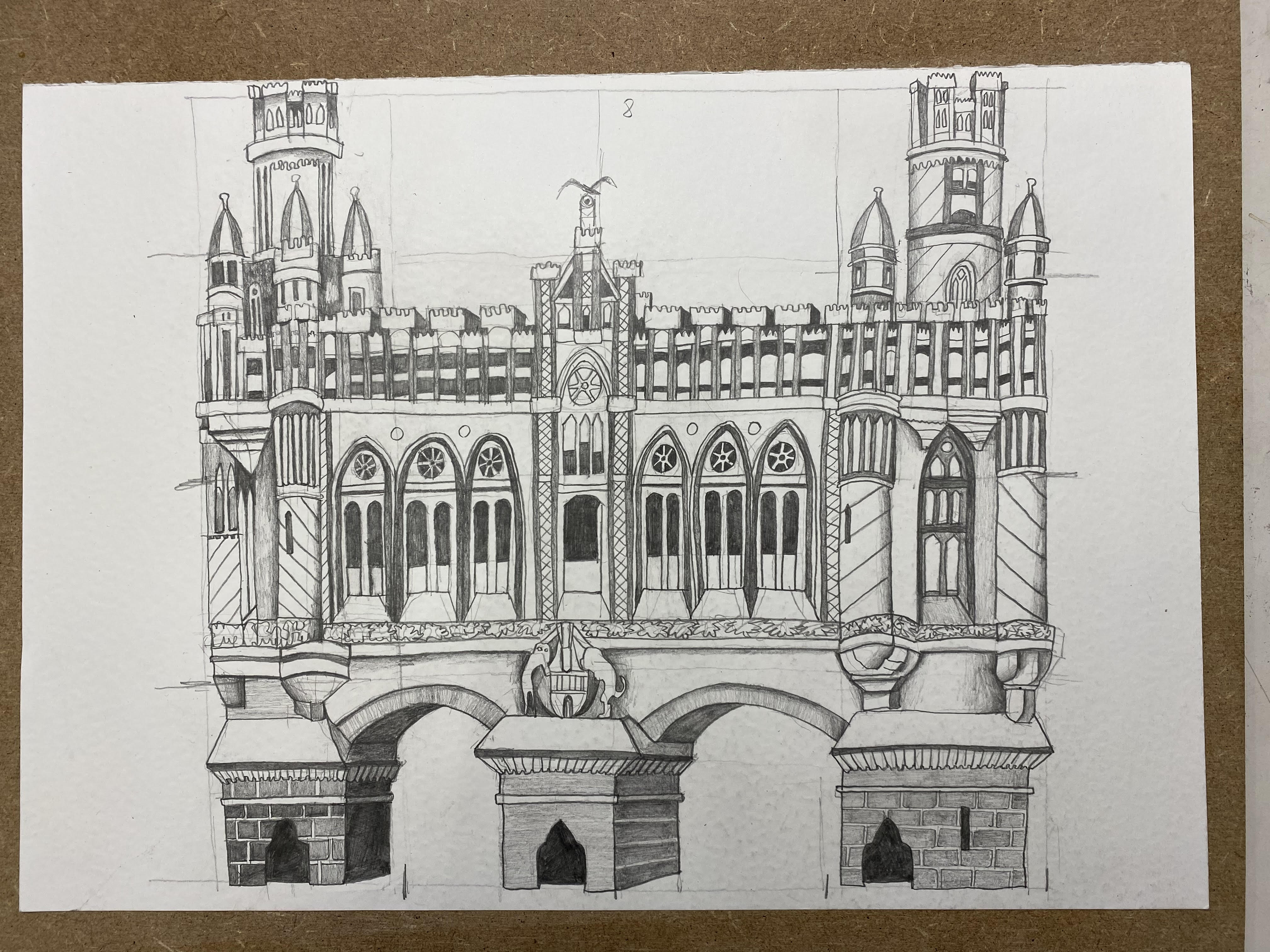
Drawing by Pilar Quinteros of the Neue Elbbrücke that was used as a model for the 8 pieces.
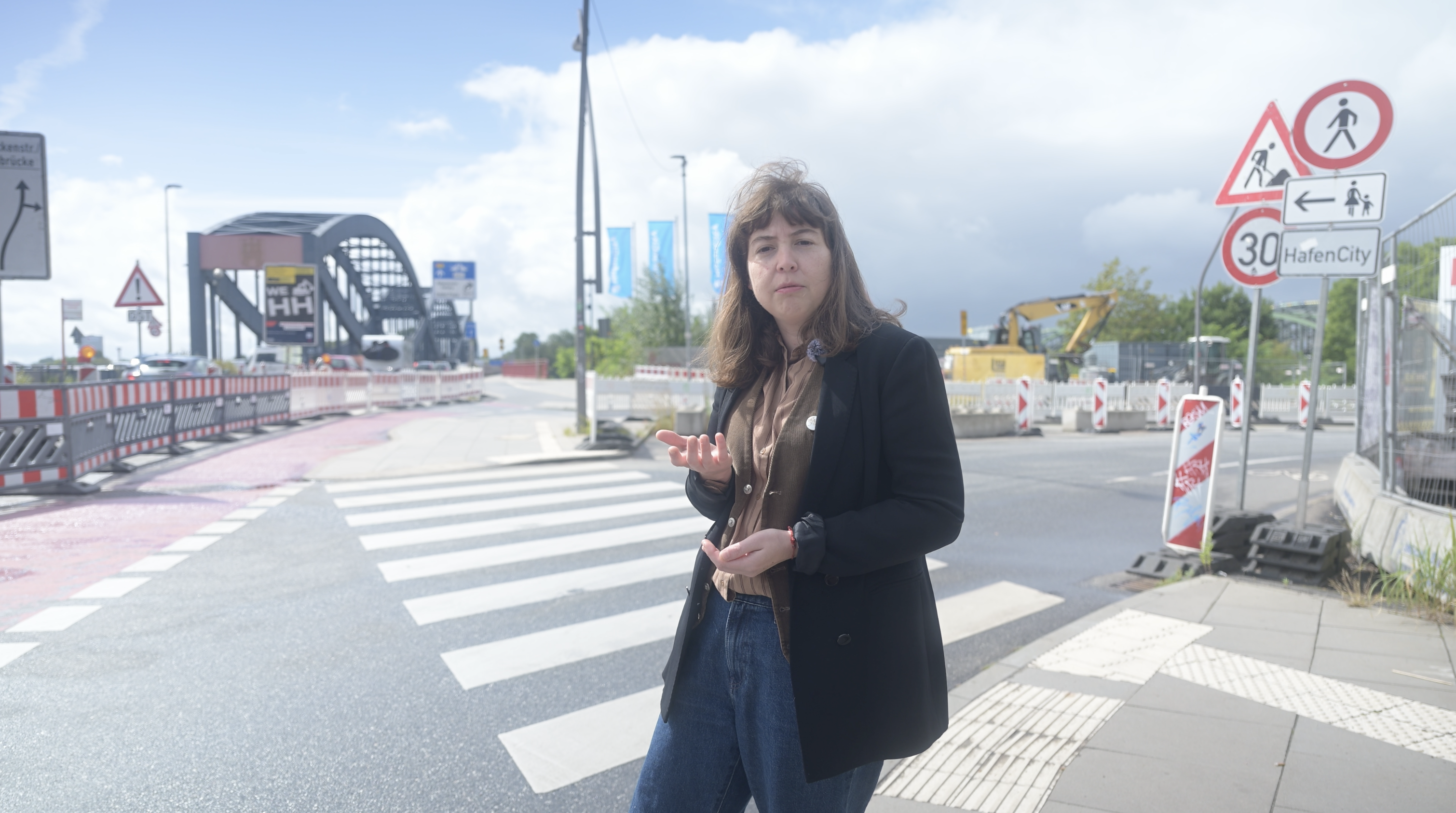
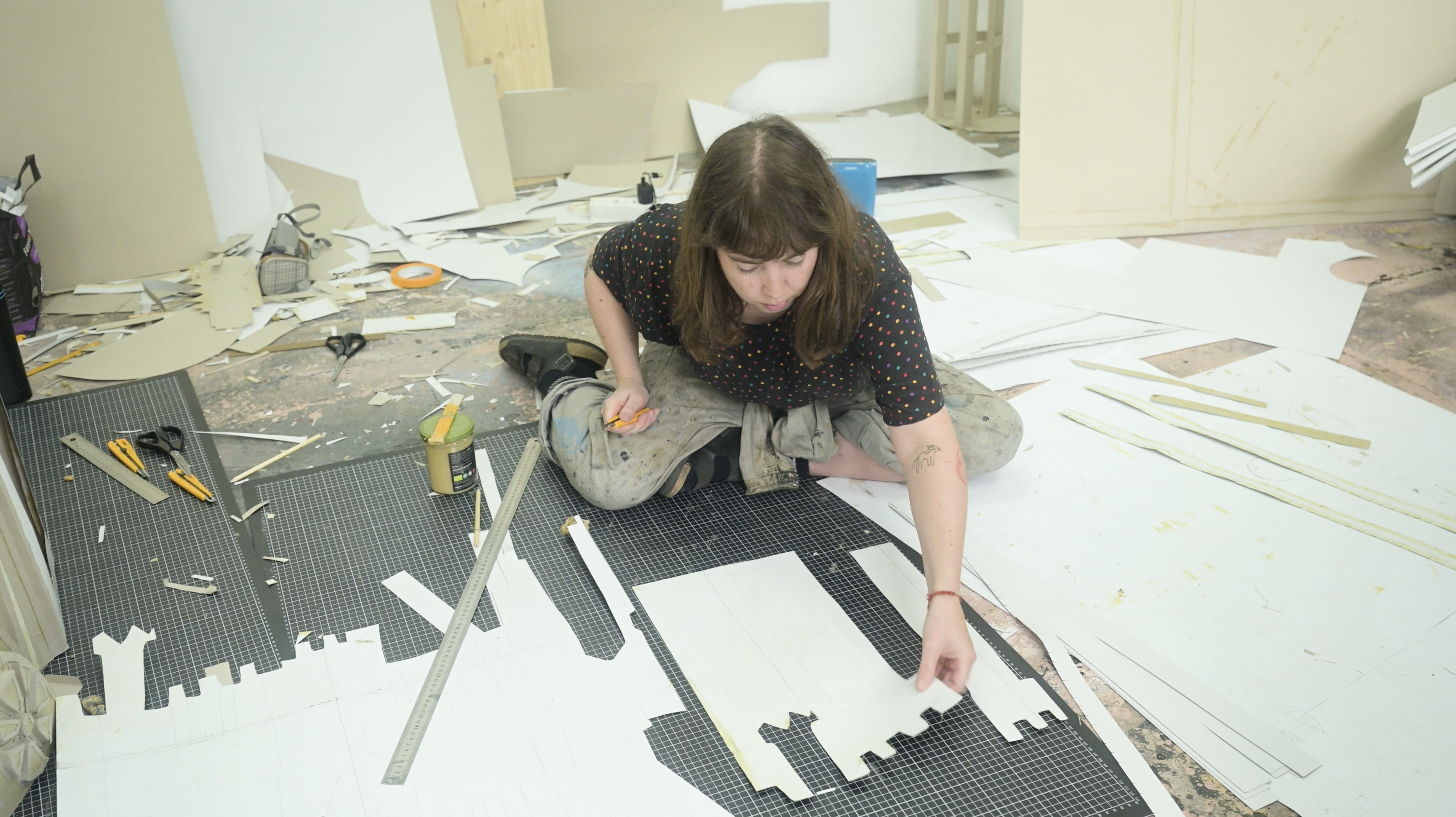
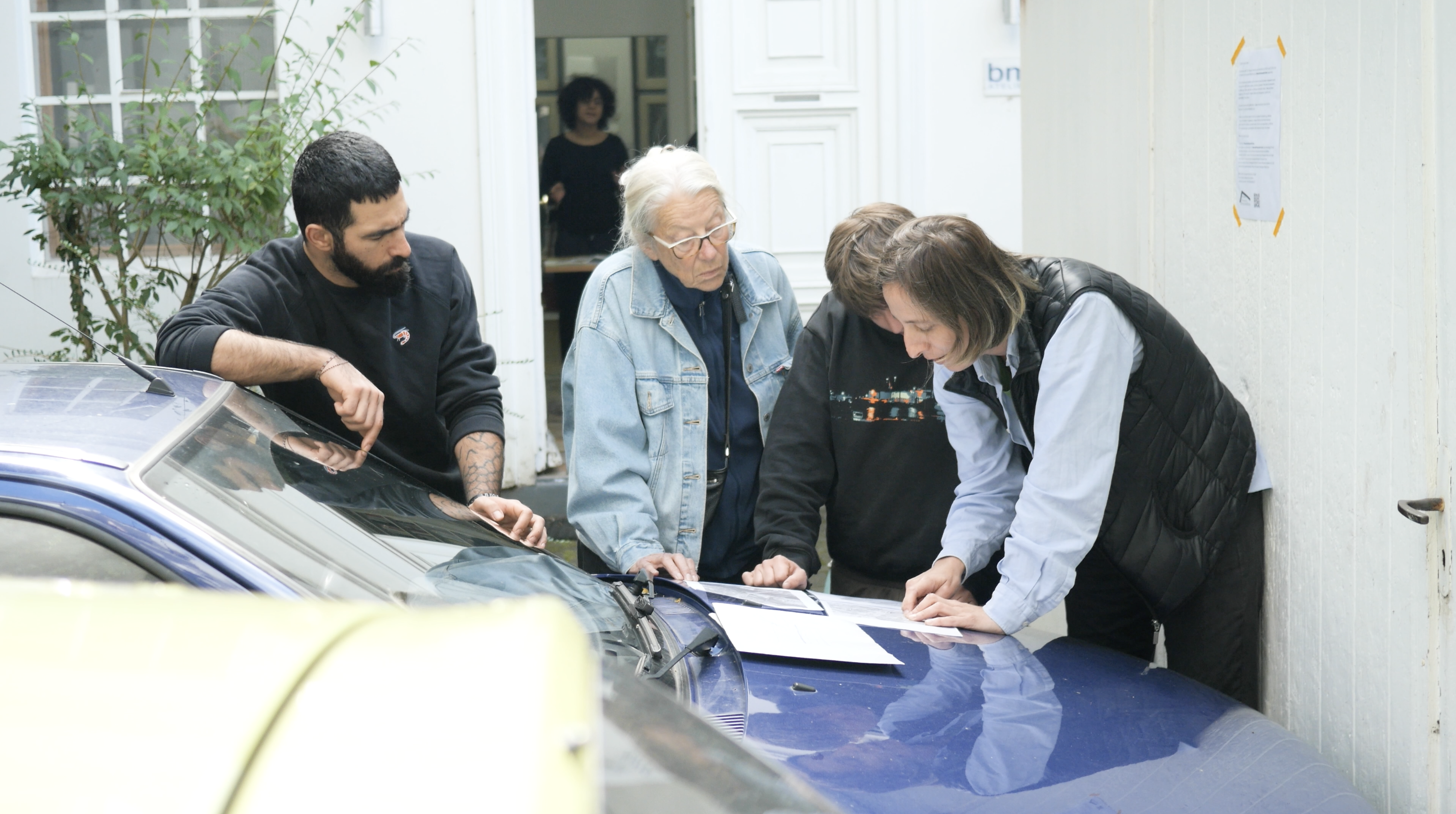
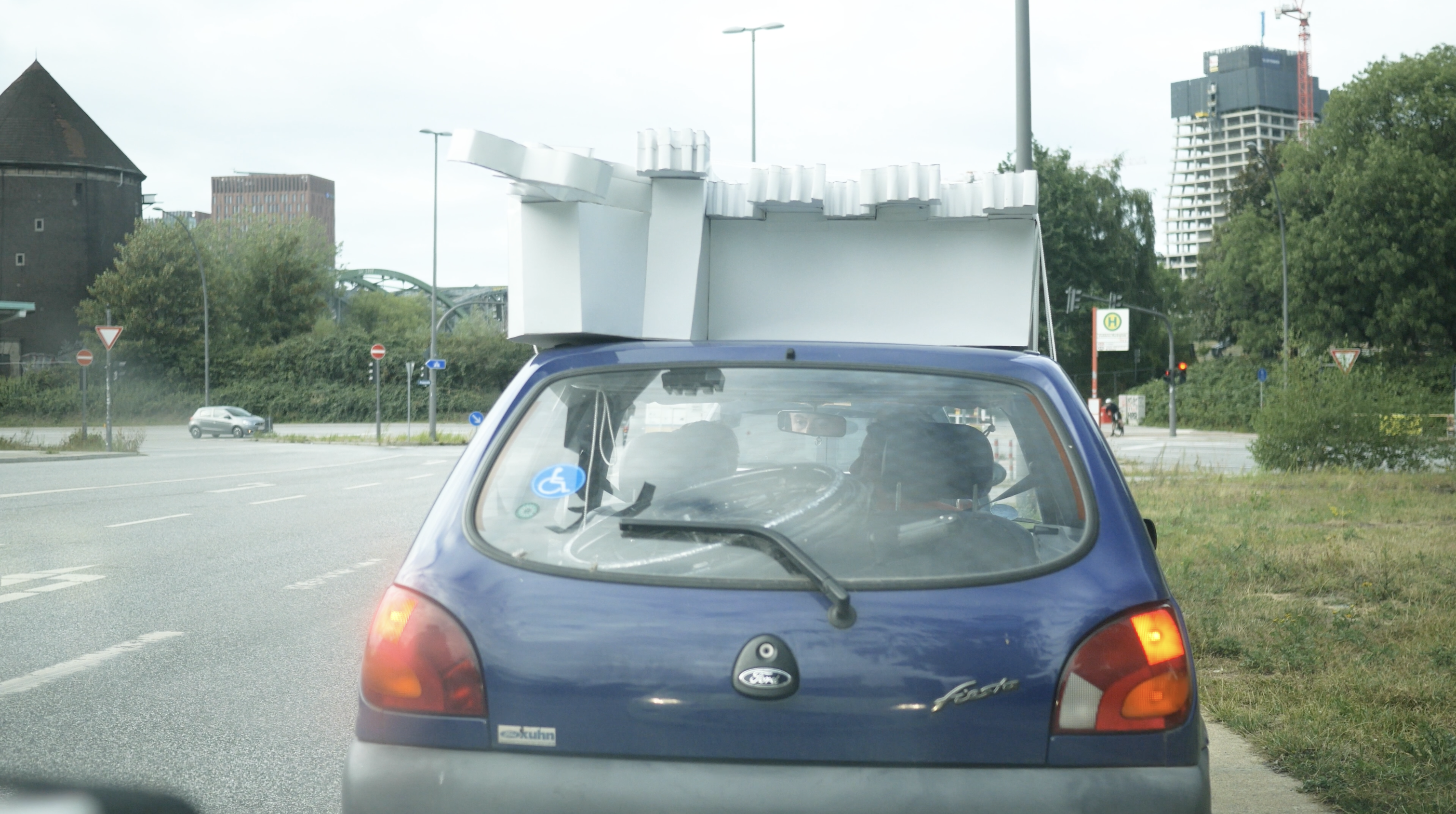
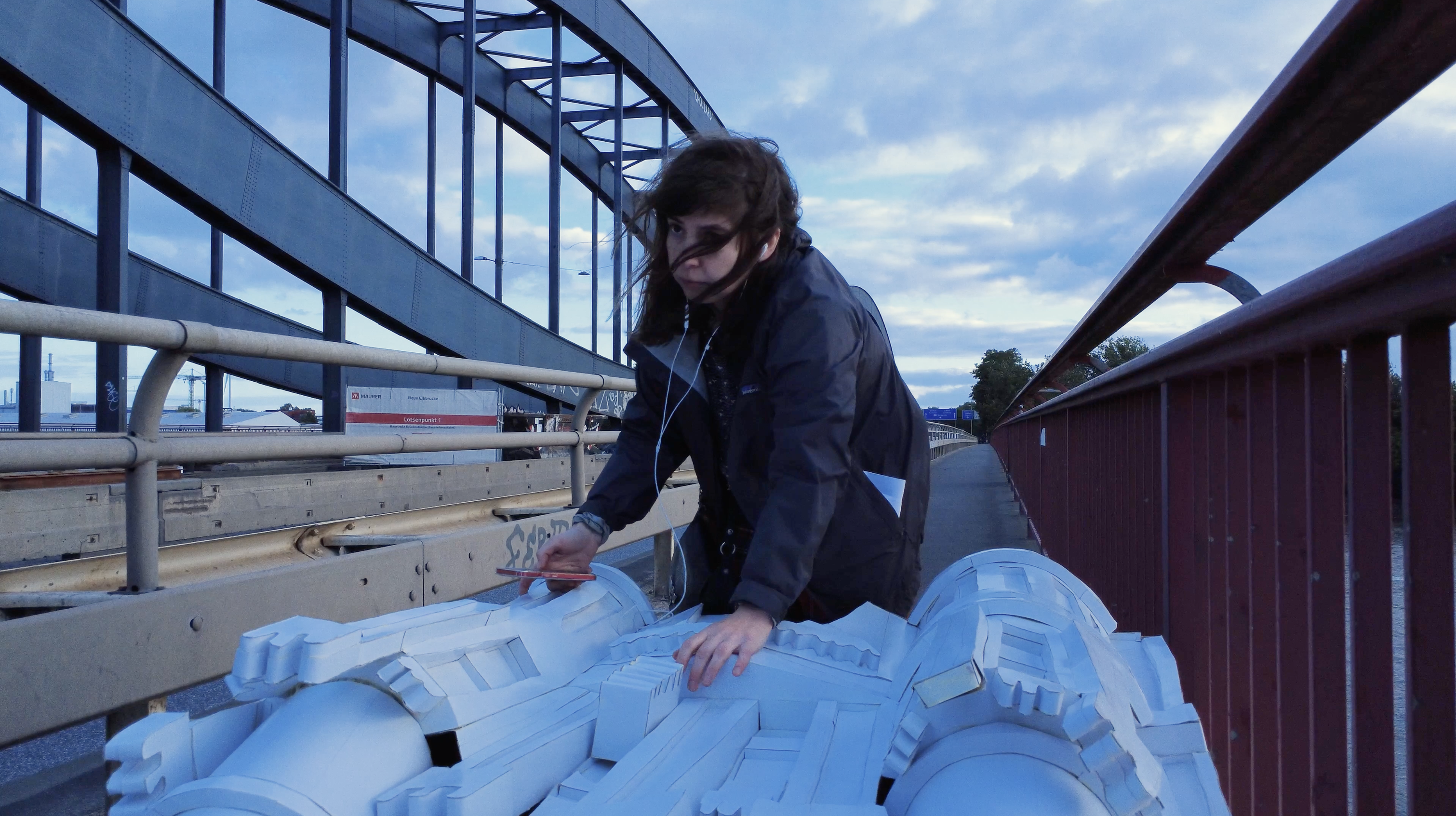
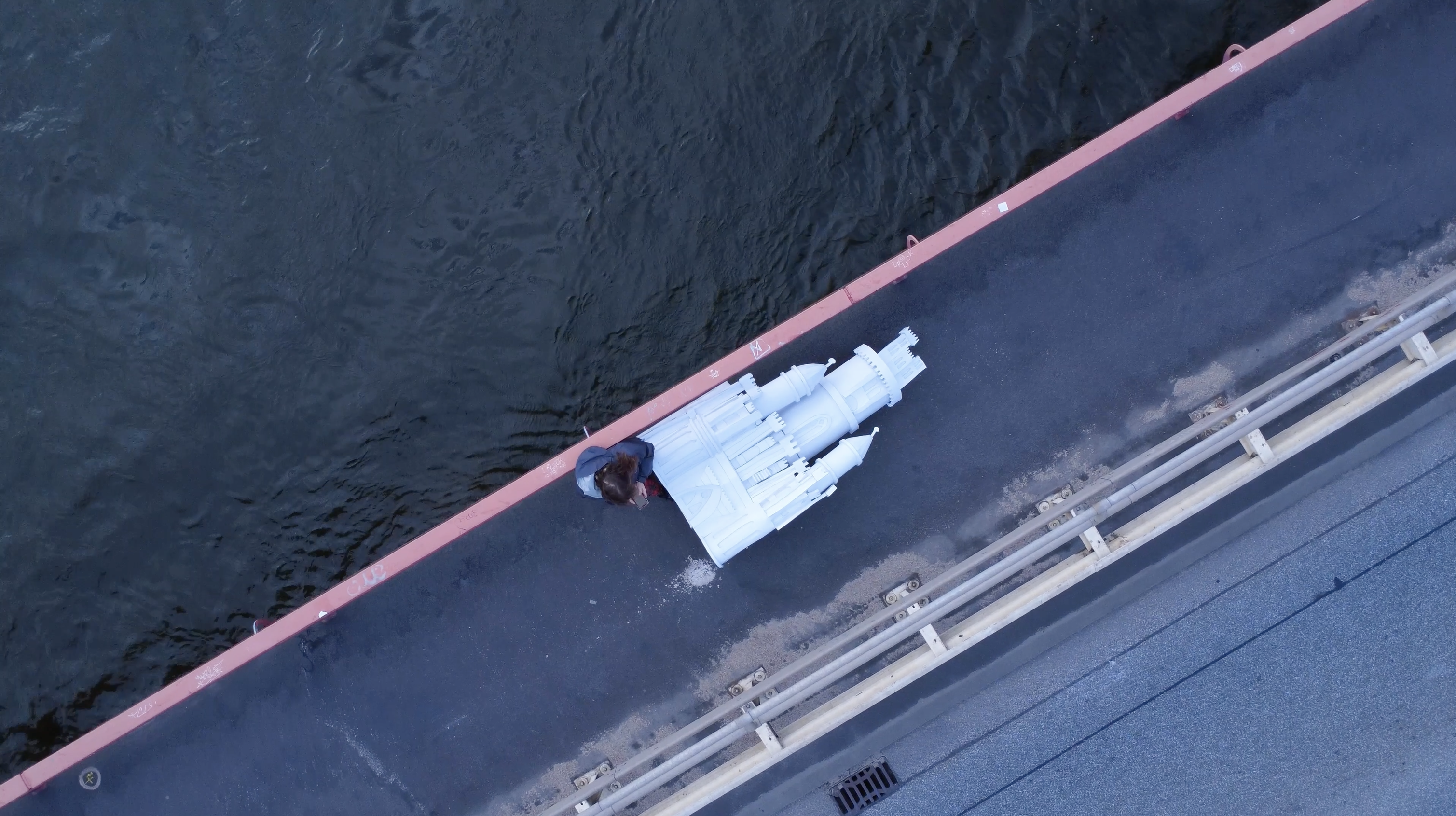
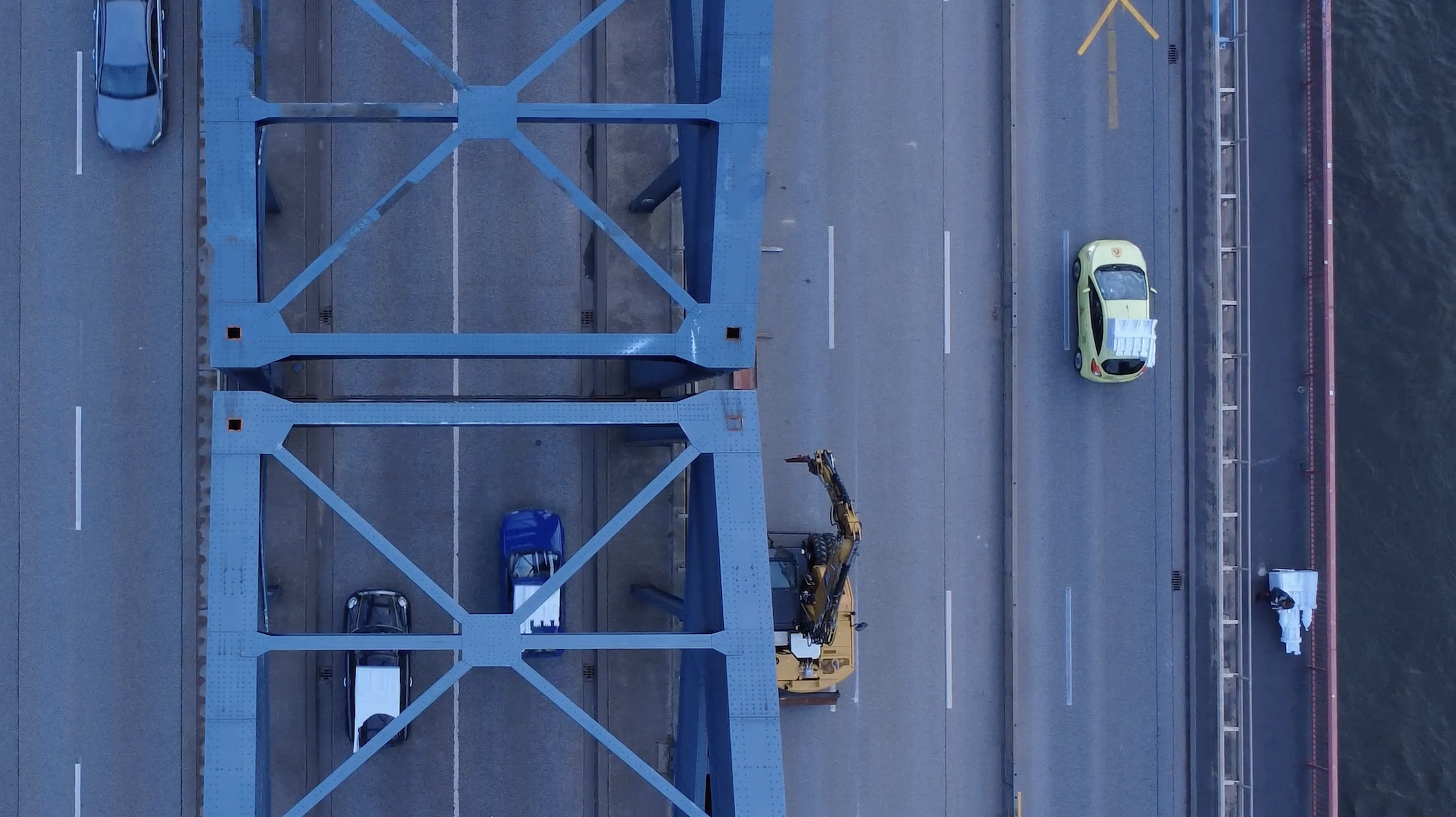
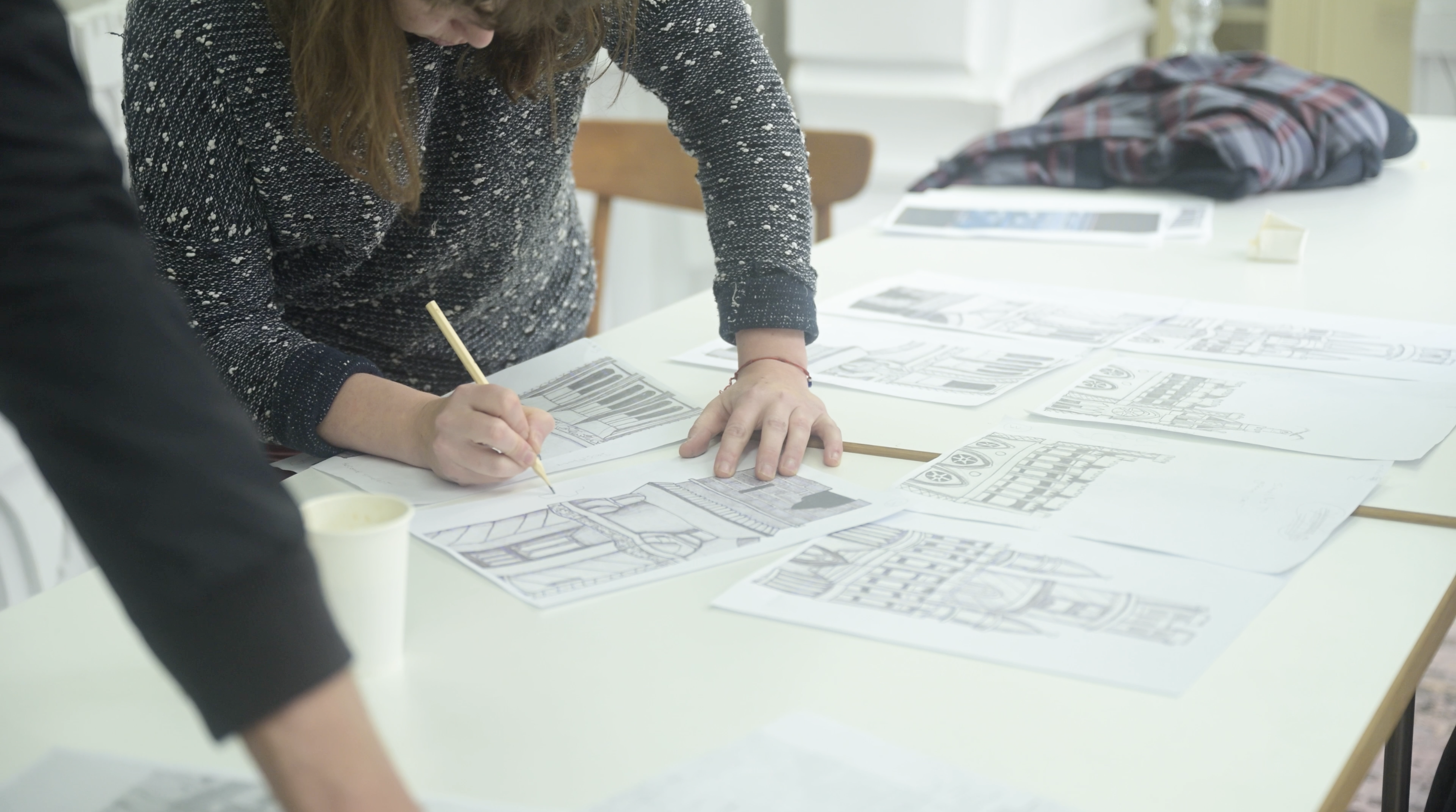
Frames of the short film Neuealteneue Brücke (26:03 min)
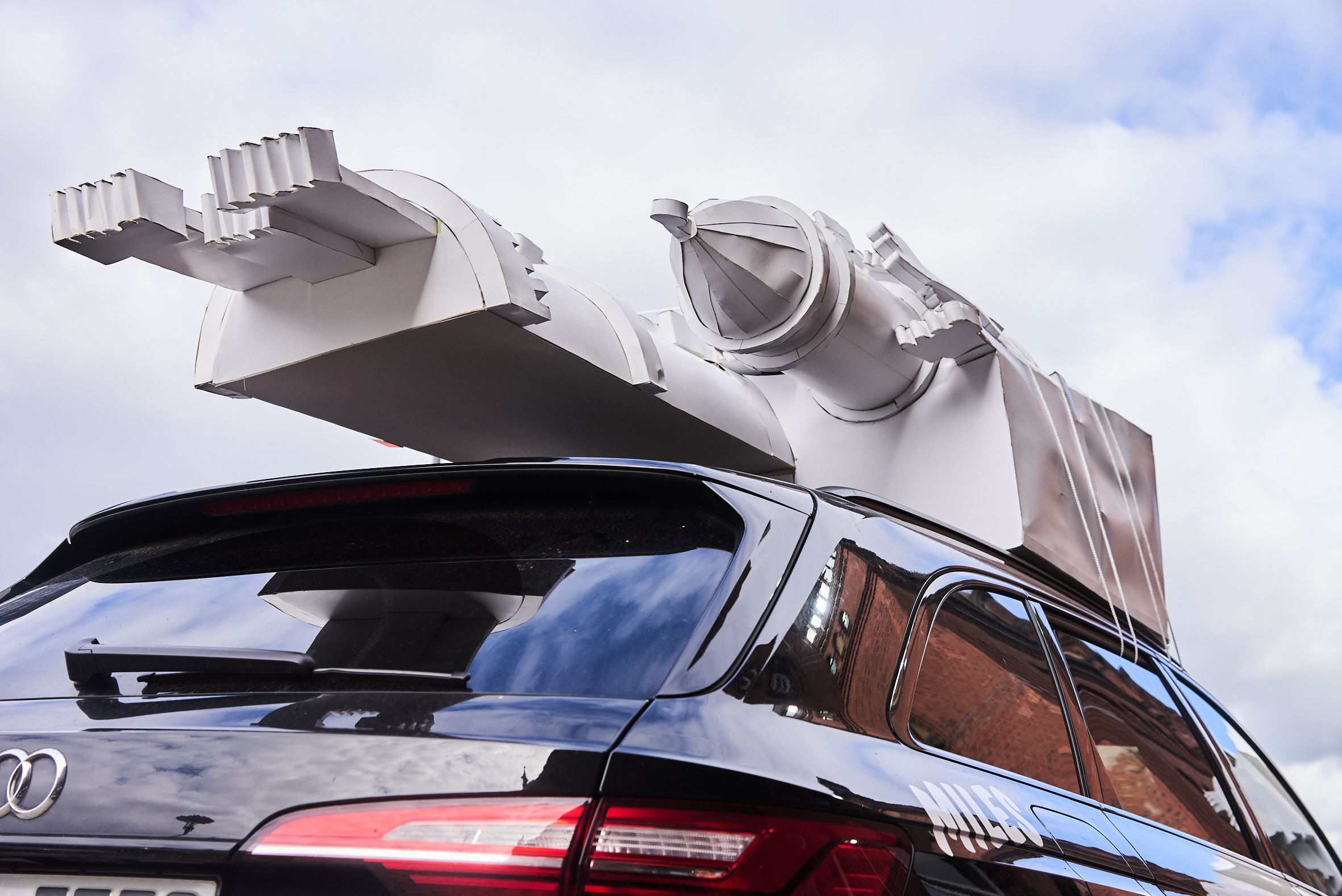
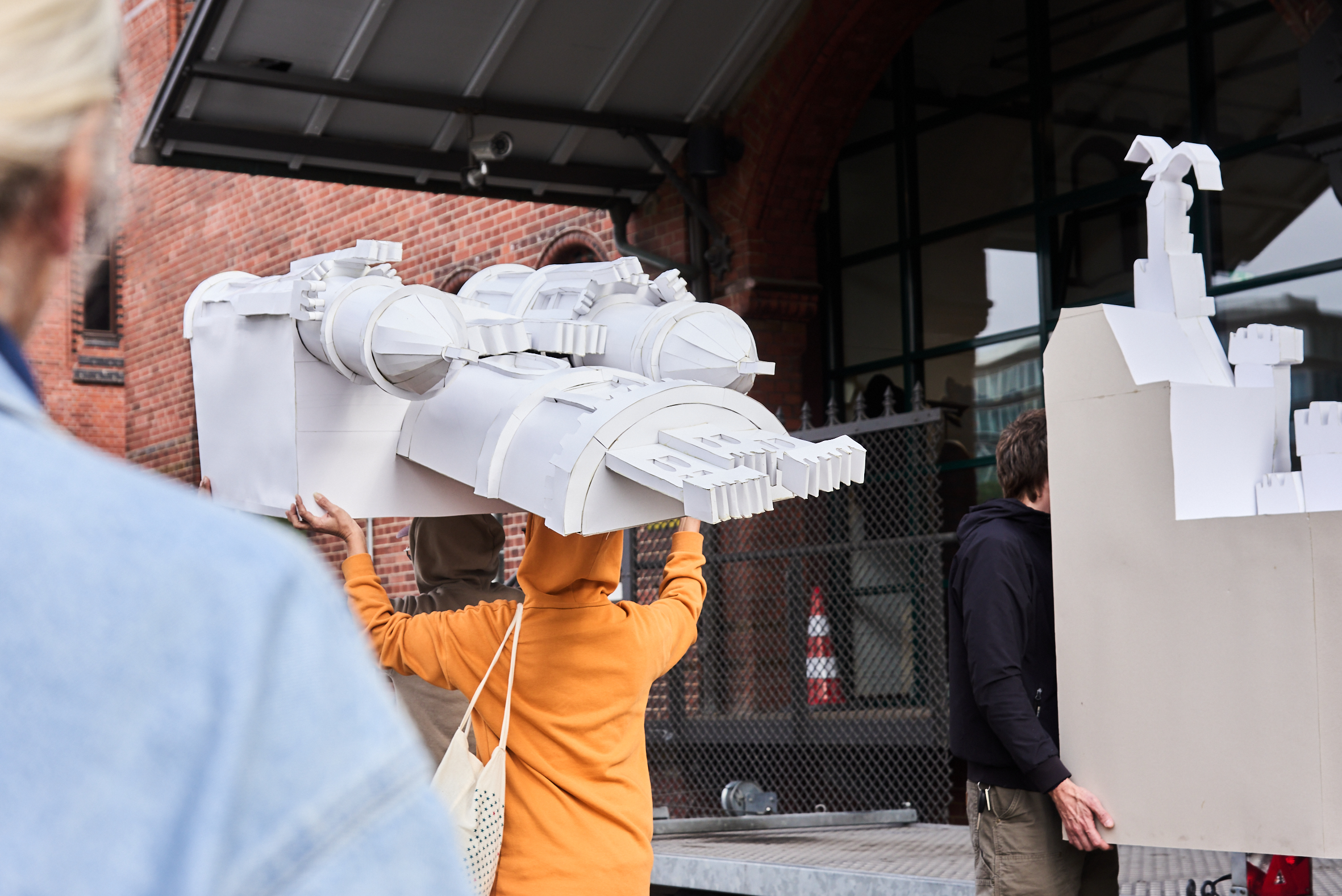
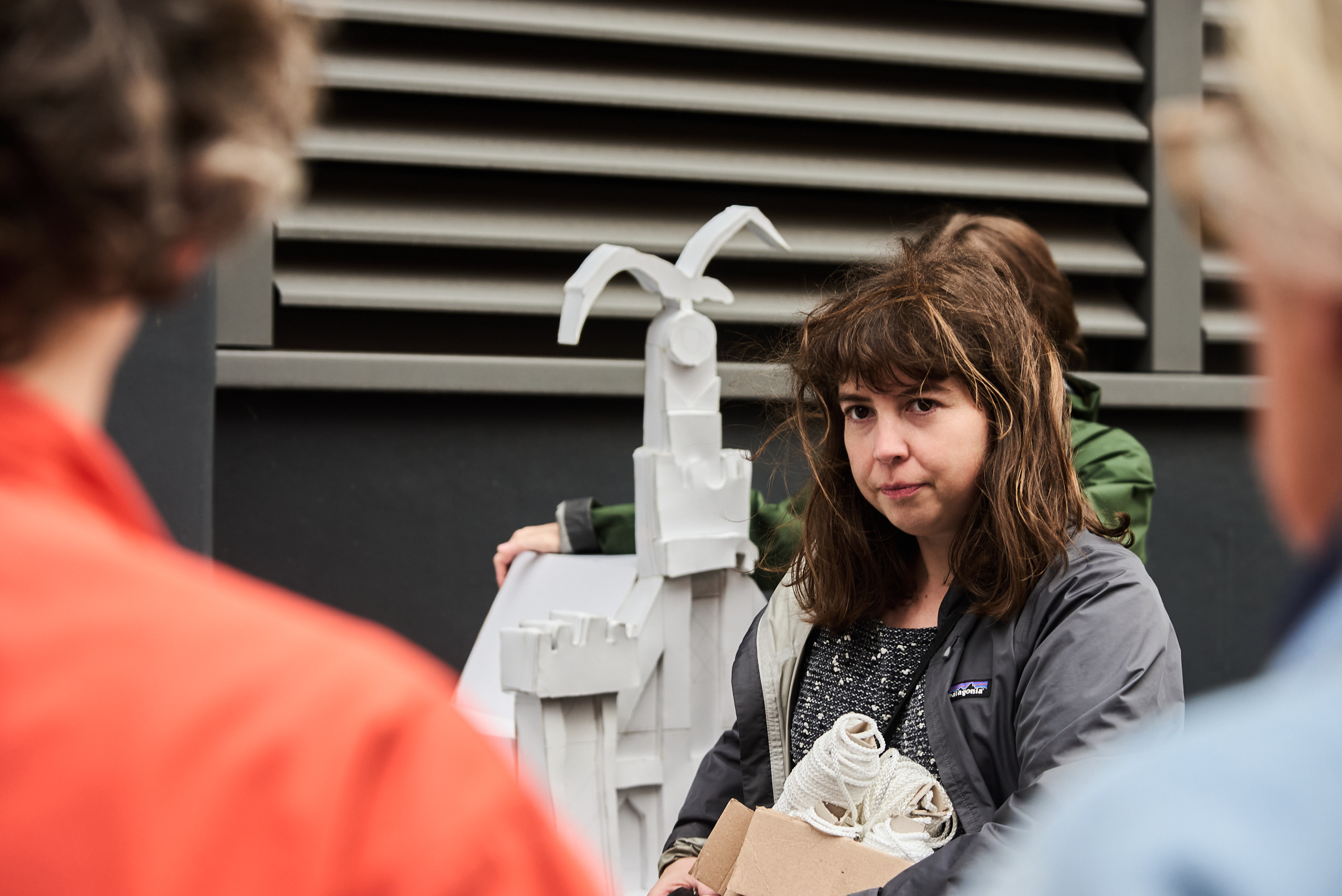
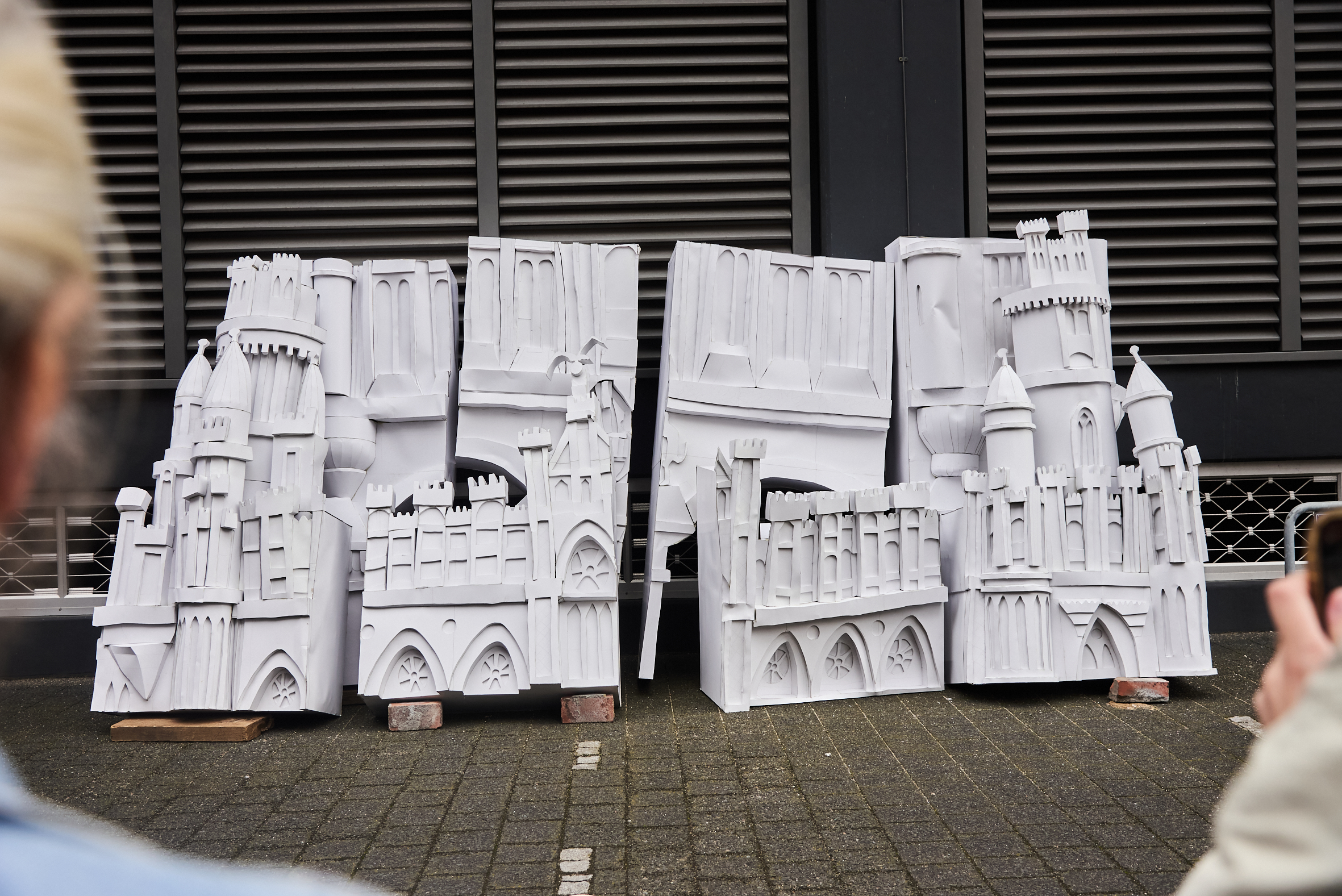
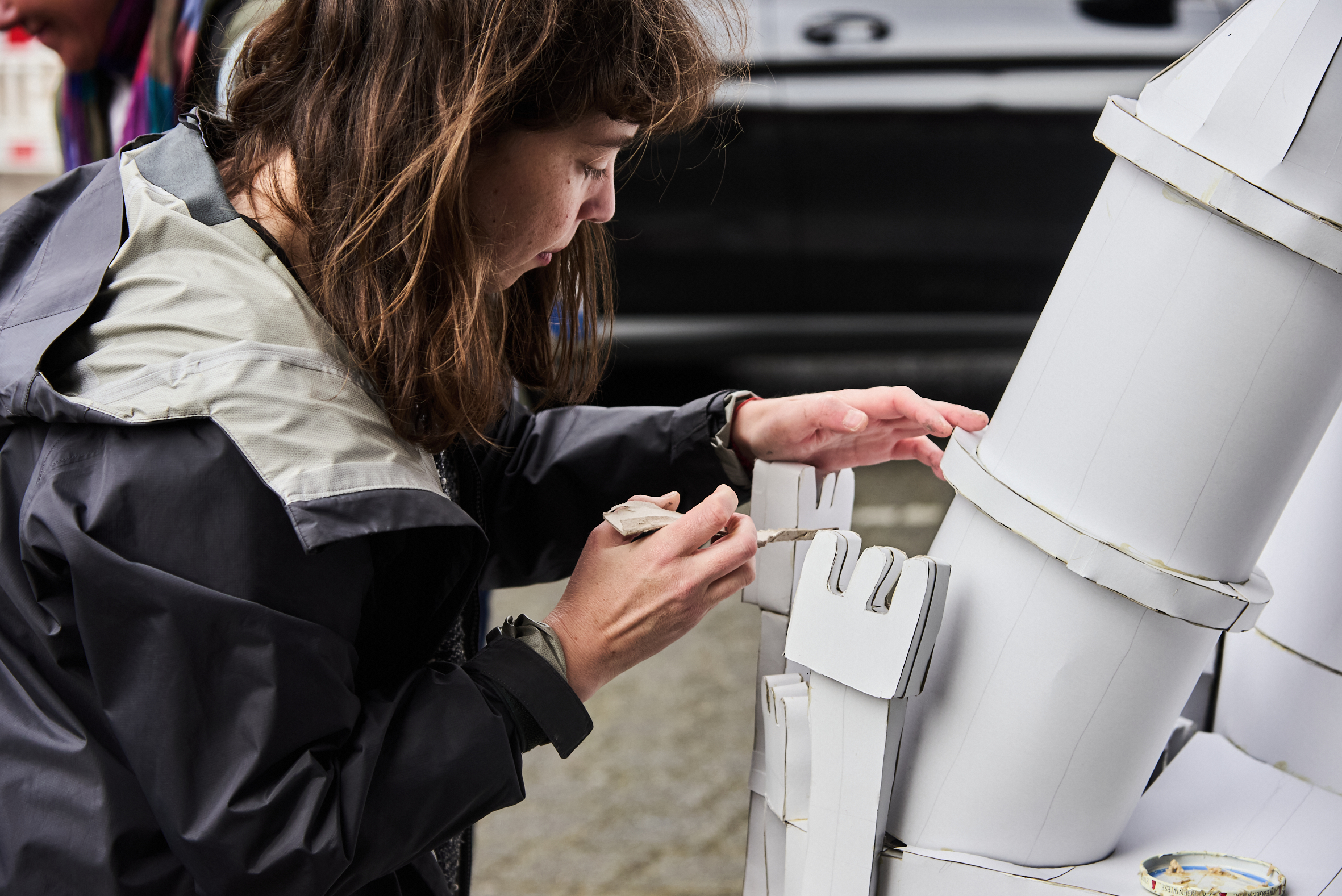
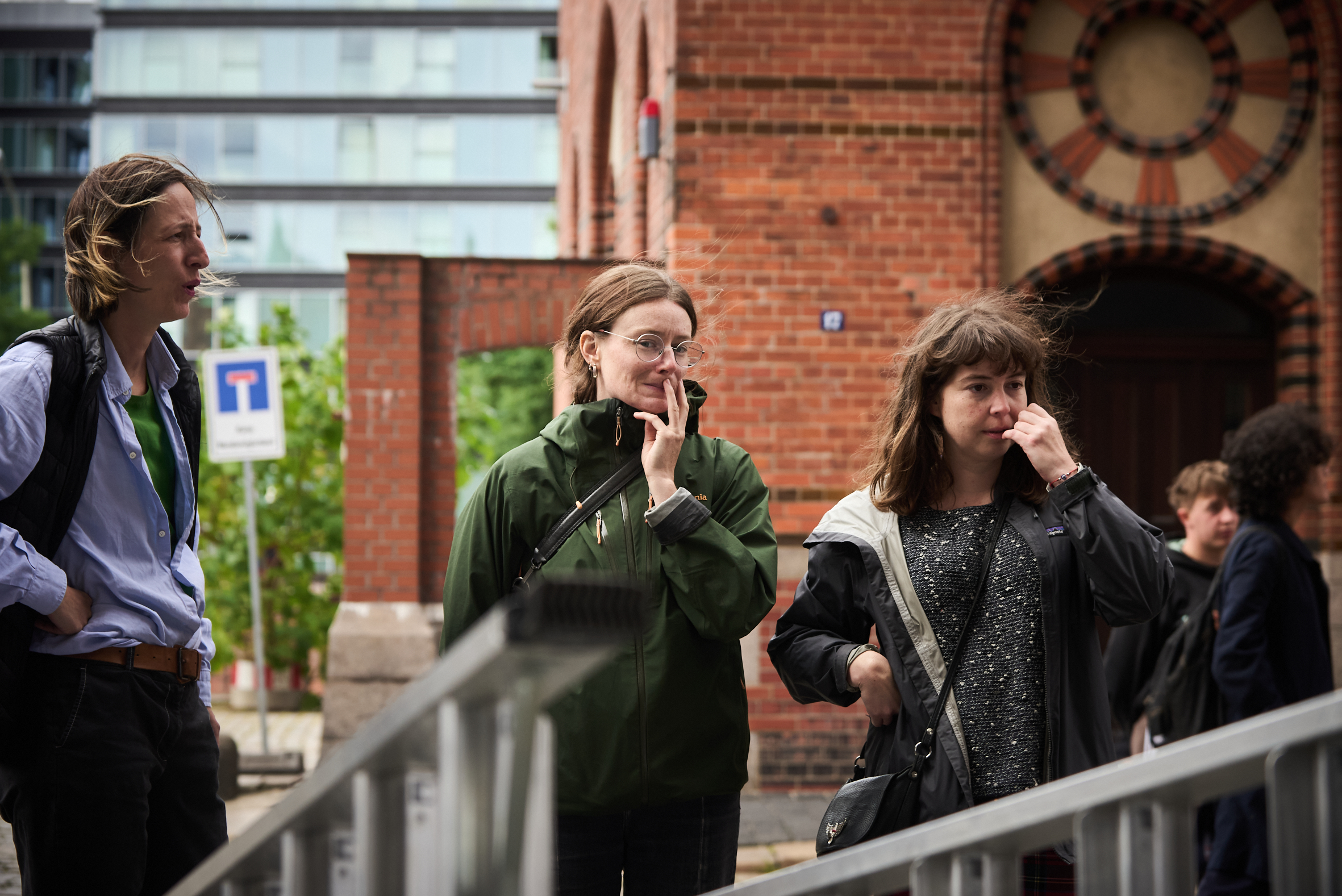
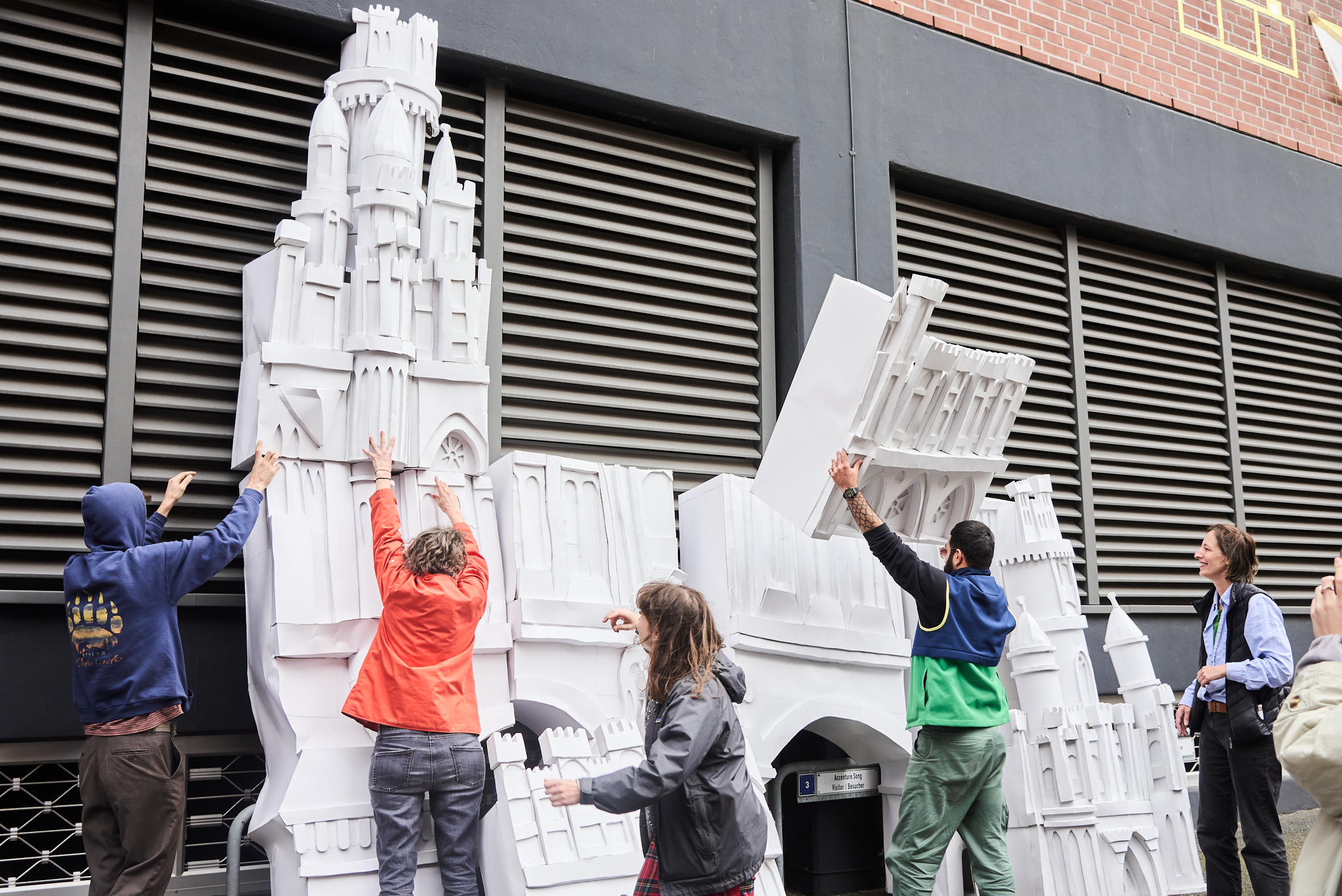
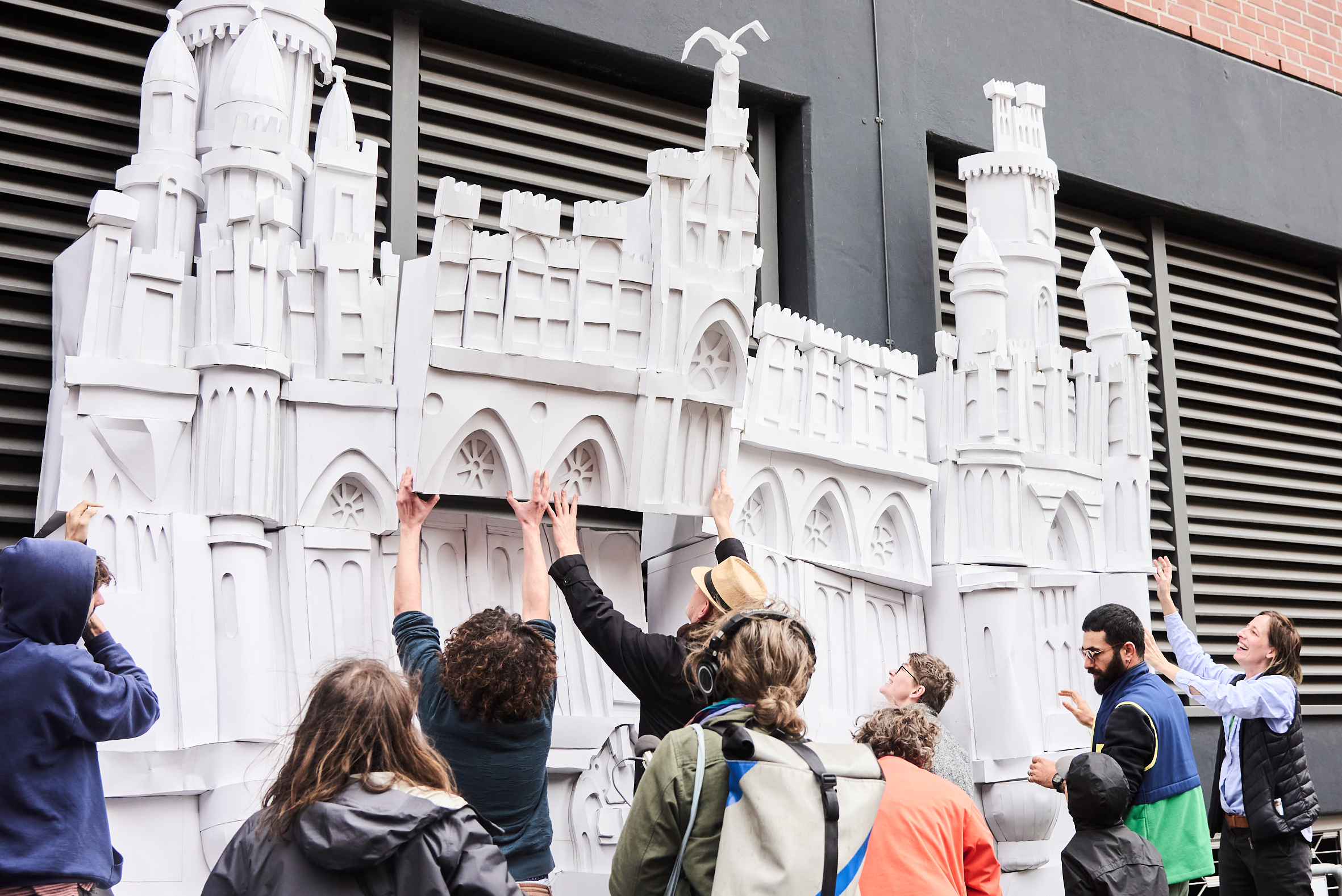
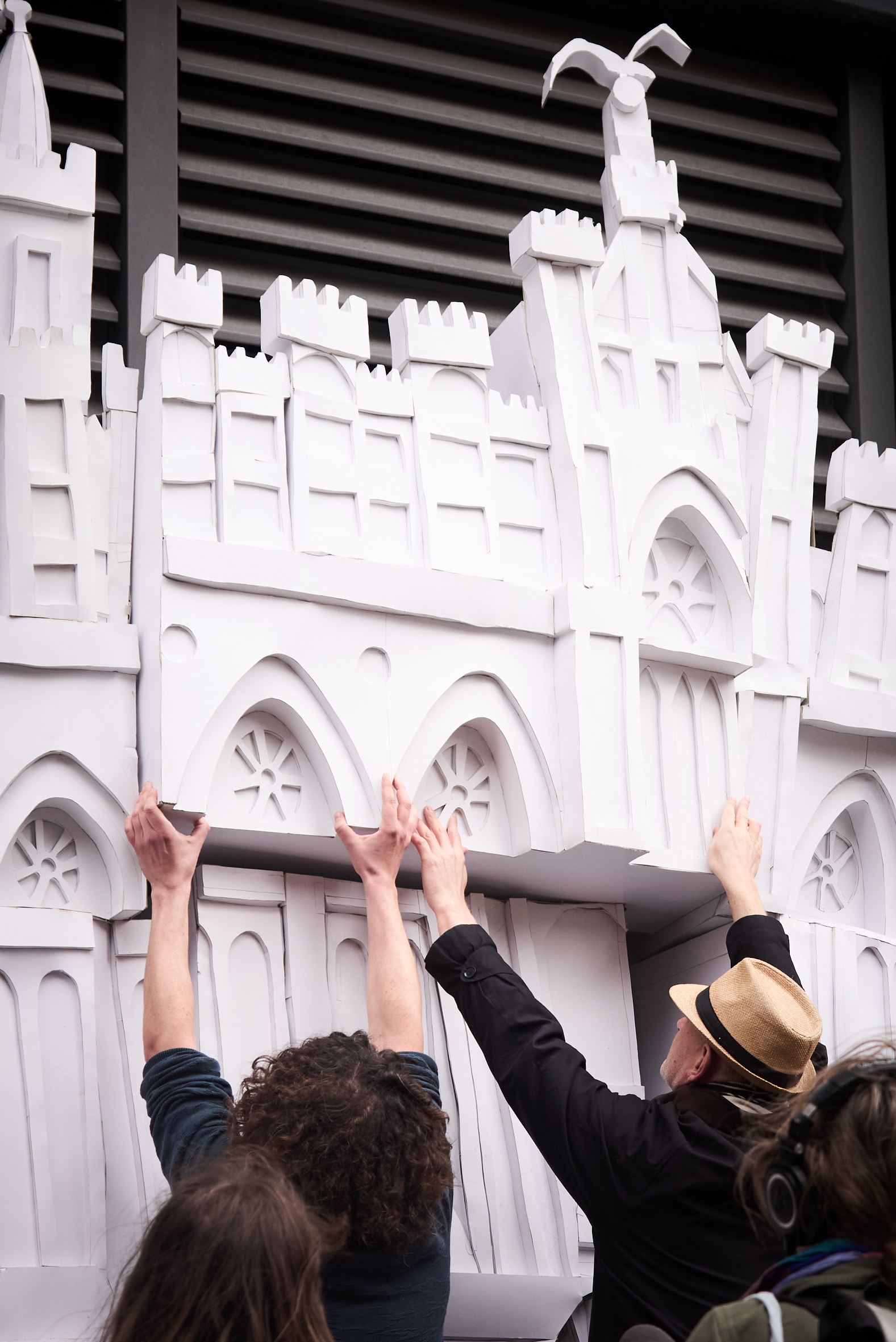
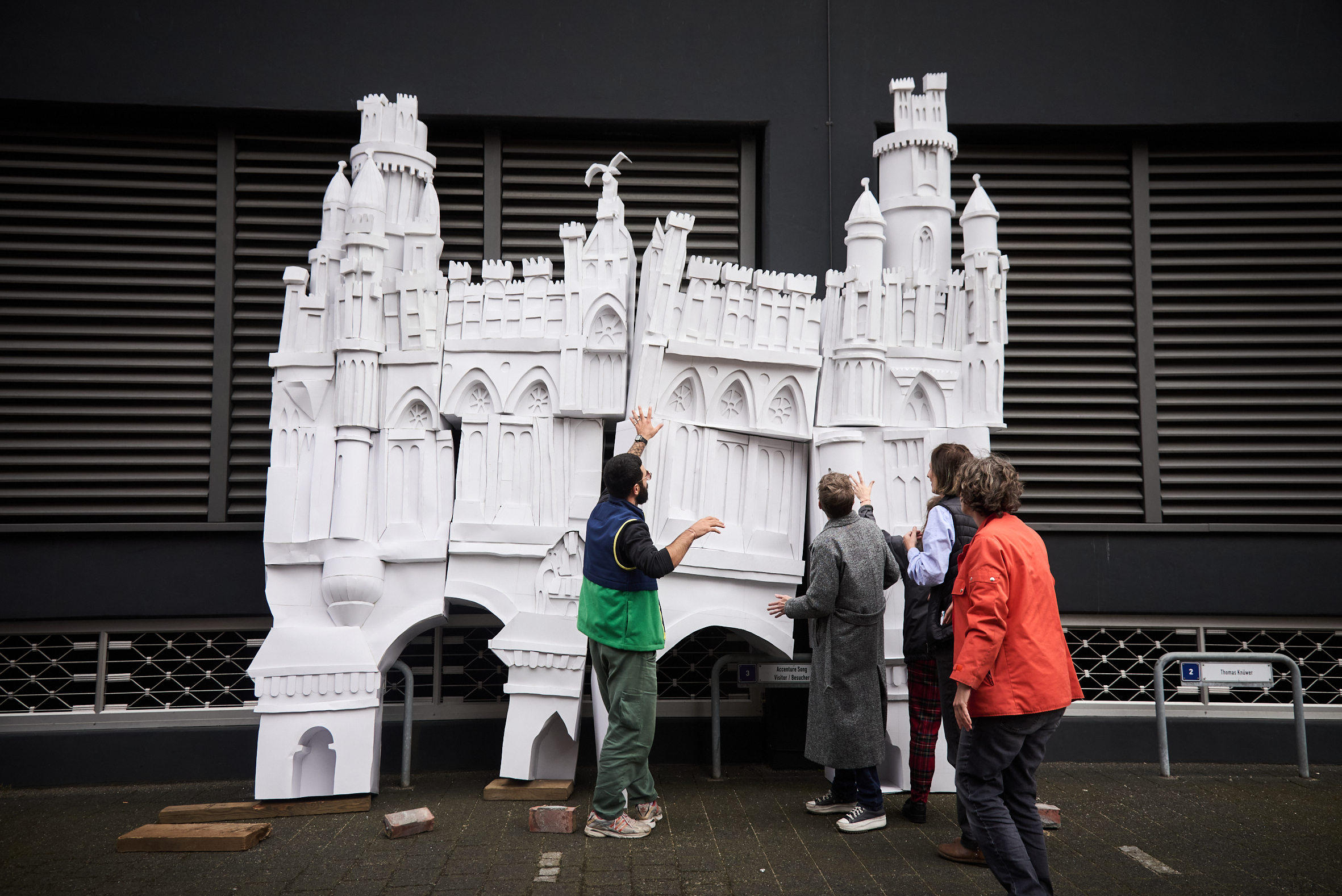
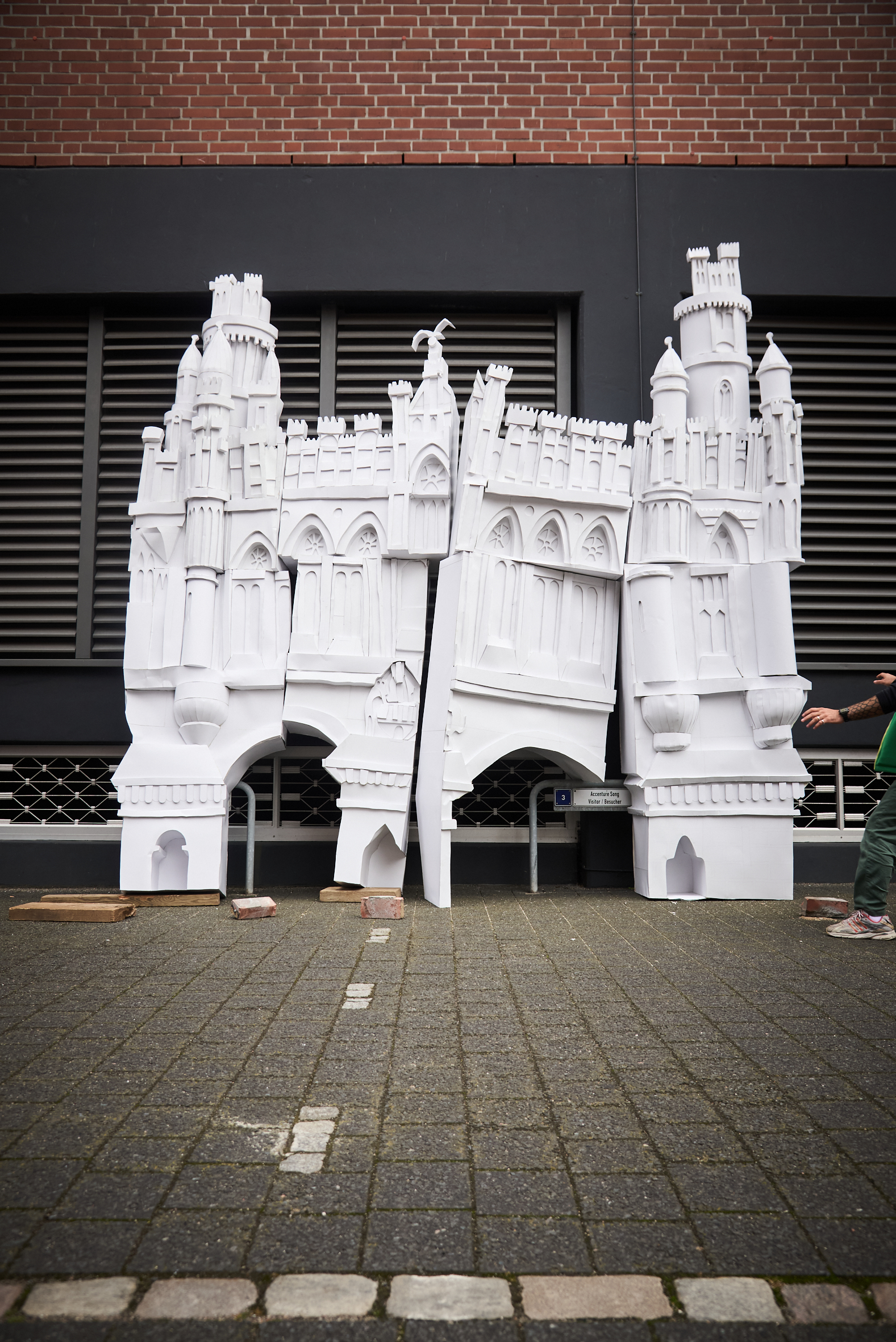
Installation outside the Zollmuseum, Hamburg, Germany (August, 2026)

